Exploring Different Types of Investing: Fresh Paths for the Trend‑Aware Reader
Investors today juggle a menu of options that go far beyond the classic stock‑and‑bond split. Understanding the nuances of each vehicle can turn a vague ambition into a concrete plan, especially when you align choices with emerging market trends and personal risk appetite.
Equity: From Blue‑Chip Stability to Thematic Growth
Traditional equities remain the backbone of most portfolios, offering both capital appreciation and dividend income. Blue‑chip giants such as Apple or Johnson & Johnson provide a cushion of stability, while high‑growth sectors—think renewable energy, AI, or biotech—let you ride the wave of innovation. A practical step: allocate a core 60 % to diversified index funds for market breadth, then earmark 10‑15 % for thematic ETFs that match your interests, rebalancing annually to lock in gains.
Fixed‑Income: Bonds, T‑Bills, and Emerging‑Market Debt
Fixed‑income assets act as the counterweight to equity volatility. Government T‑bills deliver near‑risk‑free returns, whereas corporate bonds add a modest yield premium. For investors seeking a bit more edge, emerging‑market sovereign debt can boost income, though it brings currency and political risk. Build a ladder of 3‑, 6‑, and 12‑month T‑bills to maintain liquidity, then sprinkle in a mix of investment‑grade corporate bonds and a small slice of high‑yield emerging debt for diversification.
Real Assets: Infrastructure, Logistics, and Supply‑Chain Playbooks
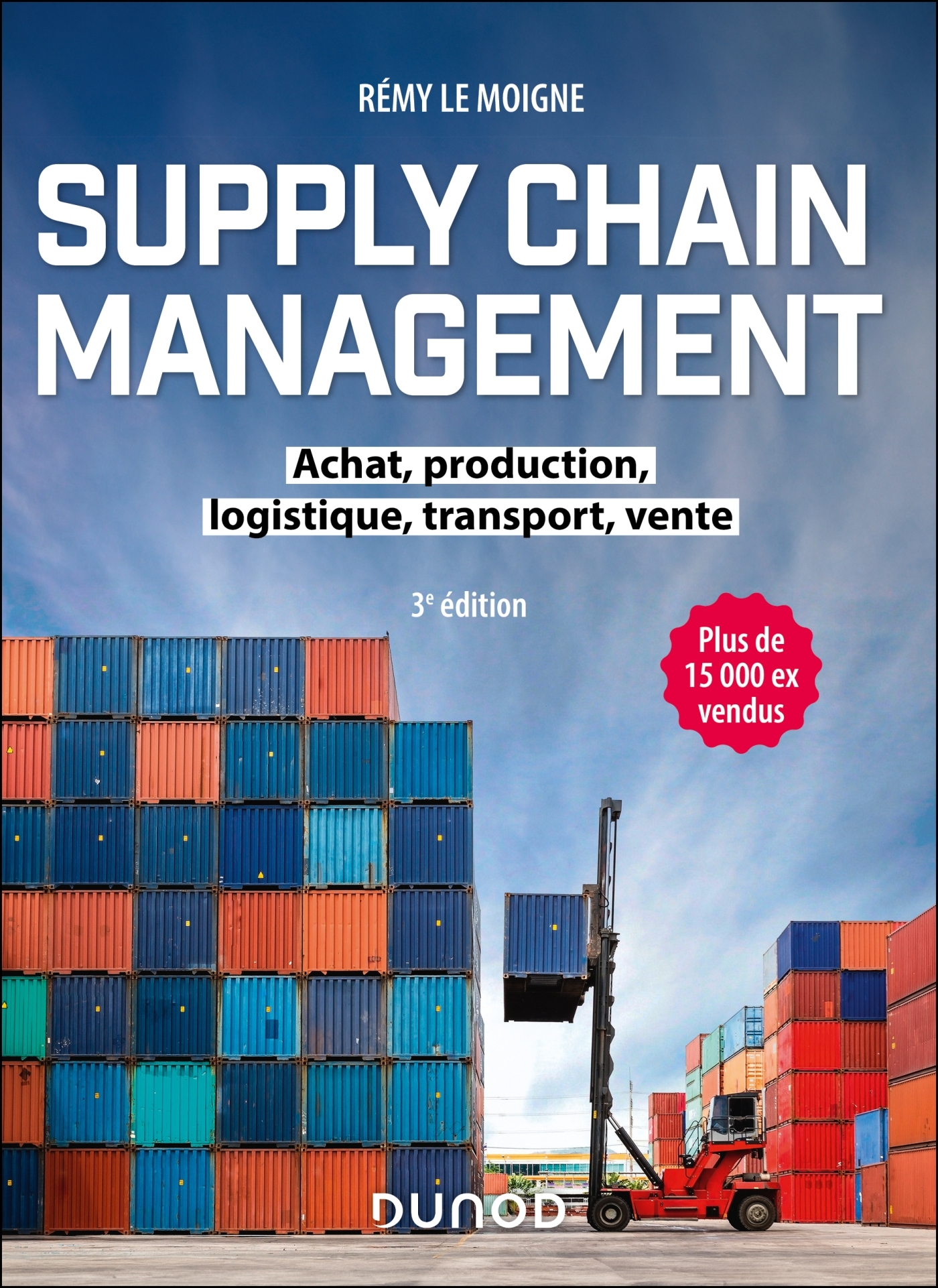
Real assets anchor a portfolio against inflation while tapping into tangible economic growth. Infrastructure funds that own toll roads, data centers, or renewable‑energy grids benefit from long‑term contracts and predictable cash flows. Logistics and supply‑chain operators—highlighted in the image—are especially compelling as e‑commerce expands and manufacturers reshuffle production hubs. Consider a REIT focused on warehousing or a listed infrastructure ETF; a 5‑10 % allocation can add both stability and exposure to secular trends.
Alternative Vehicles: Private Equity, Venture Capital, and Crypto
Alternatives provide outsized upside but demand patience and tolerance for illiquidity. Private‑equity funds let you invest in mature companies undergoing strategic turnarounds, while venture capital targets early‑stage innovators—think fintech platforms or next‑gen biotech. Cryptocurrencies, though volatile, offer a hedge against traditional market cycles and a gateway to decentralized finance. A disciplined approach: limit alternatives to 10‑20 % of total assets, use accredited‑investor platforms for PE/VC, and treat crypto exposure as a speculative “beta” slice.
Building a Balanced Portfolio: Actionable Steps for the Trend‑Aware Reader
1. Diagnose your risk profile. Use a simple questionnaire to gauge tolerance, then map each asset class to a risk tier.
2. Draft a strategic allocation. A sample mix—55 % equities, 25 % fixed income, 10 % real assets, 10 % alternatives—covers most objectives while leaving room for personal tweaks.
3. Choose low‑cost vehicles. Index funds, ETFs, and REITs often beat actively managed funds after fees.
4. Set a rebalancing cadence. Quarterly or semi‑annual reviews keep your portfolio aligned with target weights and prevent drift.
5. Stay informed. Subscribe to sector newsletters, monitor macro‑economic indicators, and adjust allocations as new trends—like green logistics or AI‑driven supply chains—gain traction.
By dissecting the landscape of different types of investing and pairing each segment with a concrete action, you can craft a portfolio that not only reflects today’s market dynamics but also positions you for the opportunities of tomorrow.