
Private Limited vs Public Limited Companies: Key Differences and How to Choose
When you’re weighing whether to register as a private limited company or a public limited company, the decision hinges on control, funding, and long-term goals. A private limited company keeps shares in private hands, limiting ownership to a small group of founders, investors, or employees. A public limited company, by contrast, can list shares on a stock exchange, opening ownership to the general public and institutional investors. Each structure offers distinct advantages and trade-offs that shape how you raise capital, manage governance, and plan for growth.
Ownership and Control: Who Calls the Shots?
In a private limited company, ownership is concentrated among a few shareholders. This tight control can speed up decision-making, but it also limits your ability to bring in new investors without diluting existing stakes. Imagine a family-run bakery expanding into a chain: staying private keeps the recipe and brand under family control, but scaling requires reinvesting profits or seeking private investors. A public limited company, on the other hand, spreads ownership across potentially thousands of shareholders, which can dilute control but also attract large-scale investment. For example, a tech startup going public might gain the capital to hire globally, but founders must share governance with a board and comply with stricter reporting rules.
Funding Paths: Bootstrapping vs. Going Public
Private limited companies rely on personal savings, bank loans, or private equity to grow. This route is flexible and less regulated, but funding can be slow and limited by the company’s size. A public limited company can issue shares to the public, unlocking large capital injections quickly. Consider a manufacturing firm needing $50 million to build a new plant: going public might fund the project in months, while a private company could take years to secure the same amount through loans or private investors. However, the public route demands rigorous financial disclosures, quarterly reporting, and scrutiny from regulators and shareholders.
Regulatory Burden: Paperwork and Transparency
Public limited companies face heavier compliance. They must publish annual reports, hold shareholder meetings, and disclose executive pay—requirements that protect investors but add administrative costs. A private company, meanwhile, can operate with lighter oversight, keeping financials and strategy confidential. For instance, a boutique consultancy might prefer privacy to avoid revealing client lists or pricing models. The trade-off is that private companies often struggle to attract institutional investors who demand transparency. If you’re comfortable with more paperwork in exchange for broader funding options, a public structure may suit you.
Exit Strategies: Selling vs. Staying Private
Private limited companies offer simpler exit routes, like selling to a competitor or passing the business to family. Public companies, however, provide liquidity: shareholders can sell shares anytime on the stock exchange. This liquidity attracts investors but also subjects the company to market volatility. A retail chain going public might see its stock price swing wildly based on quarterly earnings, while a private competitor avoids such pressure. If you envision an early exit or prefer stability over market fluctuations, staying private could be the better fit.
Realistic Expectations: Which Path Fits Your Vision?
Ask yourself: Do you want to retain full control and grow organically, or are you aiming for rapid expansion with outside capital? A private limited company suits founders who prioritize autonomy and long-term vision. A public limited company is ideal for those who need large-scale funding and are prepared for transparency and regulatory demands. For example, a software firm with a niche product might thrive as a private company, while a biotech startup racing to bring a drug to market could benefit from public funding. Evaluate your industry, growth timeline, and tolerance for oversight before choosing.

Next Steps: How to Decide and Where to Start
If you’re leaning toward a private limited company, consult a corporate lawyer to draft shareholder agreements and set up internal governance. For a public limited company, engage an underwriter and legal team to navigate the listing process. Start by assessing your funding needs, growth timeline, and comfort with regulatory requirements. Whether you choose private or public, align the structure with your business goals—because the right foundation makes scaling and adapting far easier down the road.
2024–2026 Cricket World Cup League 2 - Wikipedia
2024–2026 Cricket World Cup League 2 - Wikipedia
Barrett Winner Sets Up Crunch Clash With France For World Cup

Barrett winner sets up crunch clash with France for World Cup ...
Category:FIFA Beach Soccer World Cup - Wikimedia Commons

Category:FIFA Beach Soccer World Cup - Wikimedia Commons
Pixels: 2010 FIFA World Cup South Africa Group Stage

Pixels: 2010 FIFA World Cup South Africa Group Stage
Turkey V Latvia – FIFA World Cup 2022 Qatar Qualifier – Middle East Monitor

Turkey v Latvia – FIFA World Cup 2022 Qatar Qualifier – Middle East Monitor
2022 FIFA World Cup Qualification (CONCACAF) - Wikipedia
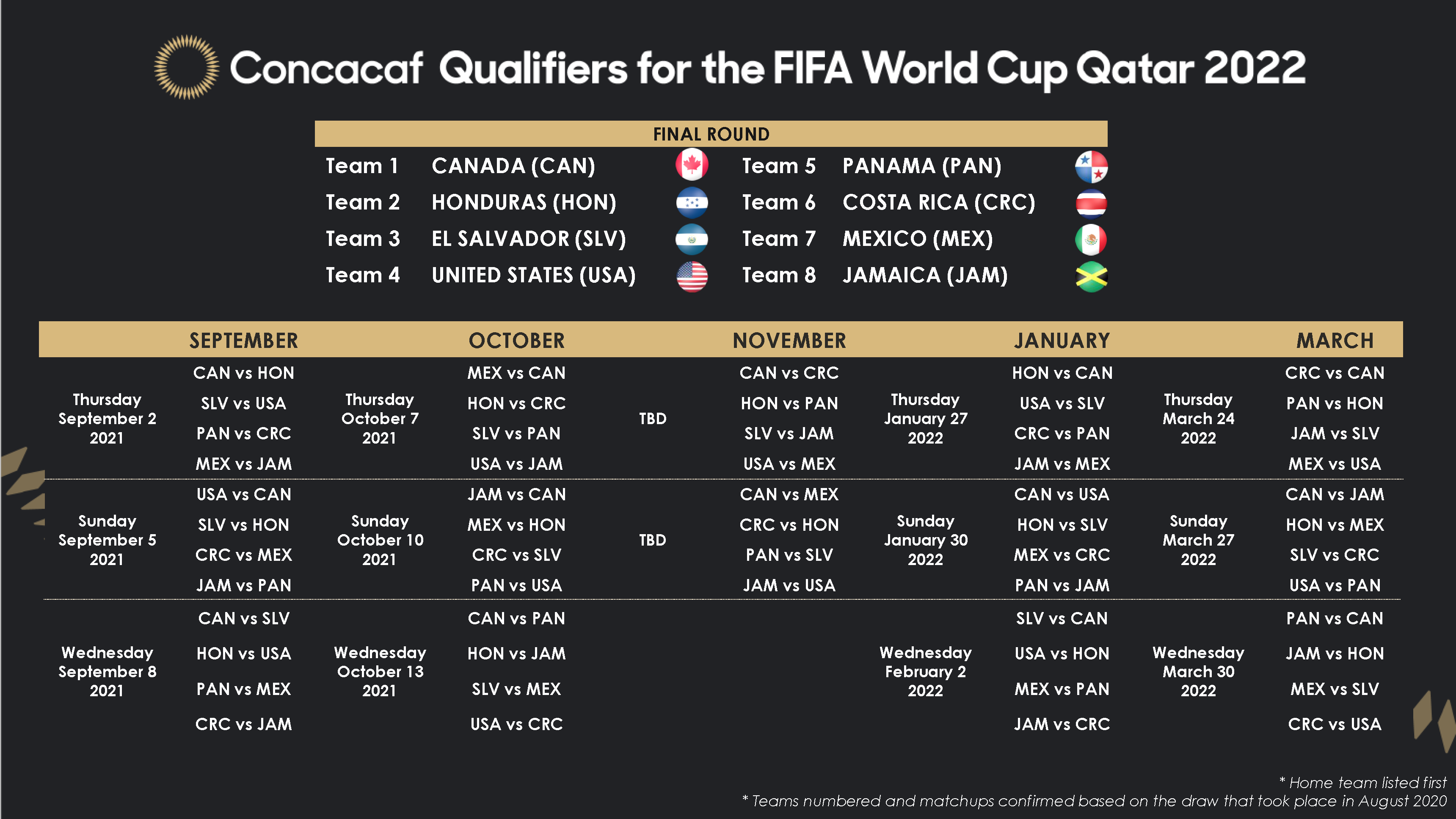
2022 FIFA World Cup qualification (CONCACAF) - Wikipedia
Category:Qualification For The 2006 FIFA World Cup - Wikimedia Commons

Category:Qualification for the 2006 FIFA World Cup - Wikimedia Commons
2014 FIBA Basketball World Cup Qualification - Wikipedia

2014 FIBA Basketball World Cup qualification - Wikipedia
Joaquín Caparrós Unveils Armenia Squad For World Cup Qualifiers
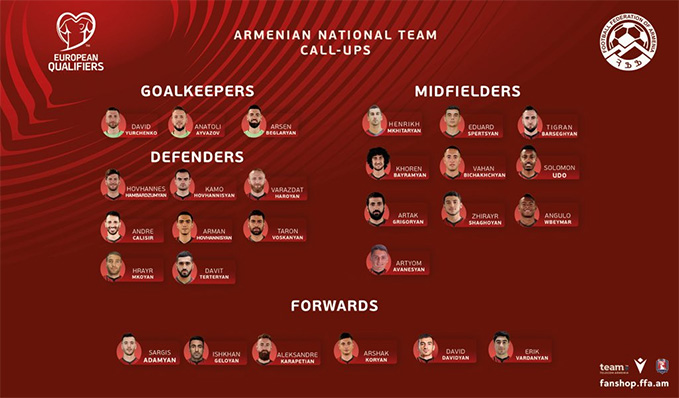
Joaquín Caparrós unveils Armenia squad for World Cup qualifiers ...
Category:2019 FIBA World Cup Qualifier Japan Vs Iran - Wikimedia Commons
.jpg/180px-20180917_FIBA_Basketball_World_Cup_Qualifier_Japan_vs_Iran_(44737852791).jpg)
Category:2019 FIBA World Cup qualifier Japan vs Iran - Wikimedia Commons
2021 Rugby World Cup Qualifying - Wikipedia

2021 Rugby World Cup qualifying - Wikipedia
Category:FIFA Women's World Cup 2019 Qualification AUT-SRB - Wikimedia

Category:FIFA Women's World Cup 2019 Qualification AUT-SRB - Wikimedia ...
Pixels: 2010 FIFA World Cup South Africa Group Stage
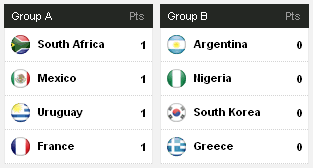
Pixels: 2010 FIFA World Cup South Africa Group Stage
2022 FIFA World Cup Qualification (AFC) - Wikipedia

2022 FIFA World Cup qualification (AFC) - Wikipedia
Sisi Splashes Out $85,000 For Egypt’s World Cup Qualifiers – Middle

Sisi splashes out $85,000 for Egypt’s World Cup qualifiers – Middle ...
1958 FIFA World Cup Qualification - Wikipedia
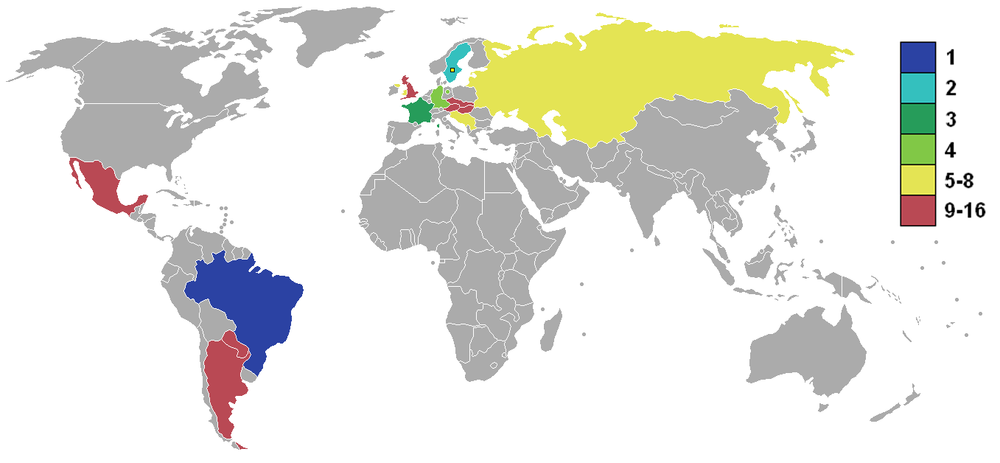
1958 FIFA World Cup qualification - Wikipedia
2019 FIFA Women's World Cup Knockout Stage - Wikipedia
_2019-06-25.svg/450px-NED-JPN_(women)_2019-06-25.svg.png)
2019 FIFA Women's World Cup knockout stage - Wikipedia
Brazil V Germany (2014 FIFA World Cup) - Simple English Wikipedia, The

Brazil v Germany (2014 FIFA World Cup) - Simple English Wikipedia, the ...
Iceland Congratulate Armenia On World Cup Qualifiers Win - PanARMENIAN.Net
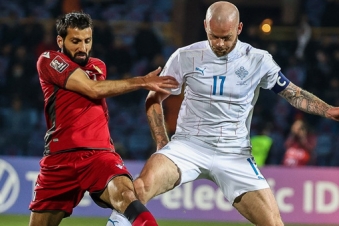
Iceland congratulate Armenia on World Cup qualifiers win - PanARMENIAN.Net
Category:1974 FIFA World Cup - Wikimedia Commons

Category:1974 FIFA World Cup - Wikimedia Commons
2018 FIFA World Cup Group F - Simple English Wikipedia, The Free

2018 FIFA World Cup Group F - Simple English Wikipedia, the free ...
Category:2019 FIBA World Cup Qualifier Japan Vs Iran - Wikimedia Commons
.jpg/180px-20180917_FIBA_Basketball_World_Cup_Qualifier_Japan_vs_Iran_(44688636242).jpg)
Category:2019 FIBA World Cup qualifier Japan vs Iran - Wikimedia Commons
2014 FIFA World Cup Group H - Wikipedia

2014 FIFA World Cup Group H - Wikipedia
Category:Qualification For The 2006 FIFA World Cup - Wikimedia Commons

Category:Qualification for the 2006 FIFA World Cup - Wikimedia Commons
A Little Break In The Premier League
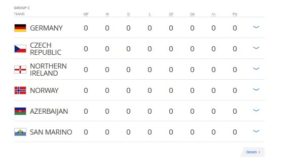
A little break in the Premier League
2019 Rugby World Cup Qualifying - Wikipedia

2019 Rugby World Cup qualifying - Wikipedia
2010 FIFA World Cup - Wikiquote

2010 FIFA World Cup - Wikiquote
2018 FIFA World Cup Group G - Wikipedia

2018 FIFA World Cup Group G - Wikipedia
World Cup Qualifiers | Figo29's Blog

World Cup Qualifiers | Figo29's Blog