How Public Investment Funds Are Transforming Local Communities—Real-World Examples and Actionable Insights
Public investment funds aren’t just abstract financial tools—they’re the hidden engine behind the parks you jog through, the schools your kids attend, and the small businesses that keep your neighborhood vibrant. But how do these funds actually work for everyday residents? The answer lies in understanding their structure, impact, and the tangible ways they can benefit your community—whether you’re a homeowner, a business owner, or simply someone who wants to see their town thrive.
Here’s what you need to know to navigate them effectively.
---
### **How Public Investment Funds Bridge the Gap Between Taxpayers and Community Needs**
Public investment funds operate like a financial bridge: they channel money from public sources (taxes, grants, or bonds) into projects that directly improve quality of life. Unlike general budgets, these funds are often dedicated to specific goals—like affordable housing, infrastructure upgrades, or economic development—making them more transparent and accountable. For example, a fund might allocate $5 million to rebuild a crumbling sidewalk in your neighborhood, reducing flooding risks while boosting property values. The key is recognizing which funds apply to your priorities and how to access them.
---
### **Step-by-Step: How to Identify and Leverage Local Public Investment Funds**
Not all funds are created equal, and not all are visible. Here’s how to find the ones that matter to you:
1. **Check your city or county’s financial portal**: Most municipalities list active funds under "economic development," "housing," or "infrastructure" sections. Look for terms like *"Community Development Block Grant"* (CDBG) or *"Brownfields Revitalization Fund"*—these are often the most accessible for residents.
2. **Attend local meetings**: Planning commissions or economic development boards frequently discuss fund allocations. Your voice (or even just your presence) can influence priorities.
3. **Partner with nonprofits**: Organizations like Habitat for Humanity or local chambers of commerce often collaborate with public funds to streamline projects. They can guide you on eligibility and application processes.
*Pro tip*: If a fund seems too complex, start with smaller initiatives—like community gardens or street beautification projects. These often have simpler application forms and faster turnaround times.
---
### **Fueling Growth: How Public Investment Funds Support Small Businesses**
Small businesses are the backbone of any community, and public investment funds can be their biggest ally. For instance, a fund might offer **low-interest loans** to local retailers to renovate storefronts or **grants** to food trucks to expand their operations. In [City X], a public investment fund partnered with a local coffee shop to upgrade its energy-efficient equipment, cutting costs by 30% while creating two new jobs.
**How to tap into these opportunities**:
- **Monitor RFPs (Requests for Proposals)**: Many funds post these on government websites or through business development offices. Even a $5,000 grant can make a difference for a startup.
- **Leverage matching funds**: Some programs require you to contribute a portion of the project cost. For example, if a fund covers 70% of a sidewalk repair, you might cover the remaining 30%—often through volunteer labor or materials.
- **Build relationships**: Connect with your city’s economic development director. They can point you to hidden funds or upcoming deadlines.
*Caution*: Not all funds are permanent. Some are one-time allocations tied to specific grants. Always confirm renewal terms before committing resources.
---
### **Behind the Scenes: The Fuel Rail Example—What Auto Mechanics and Investors Can Learn**
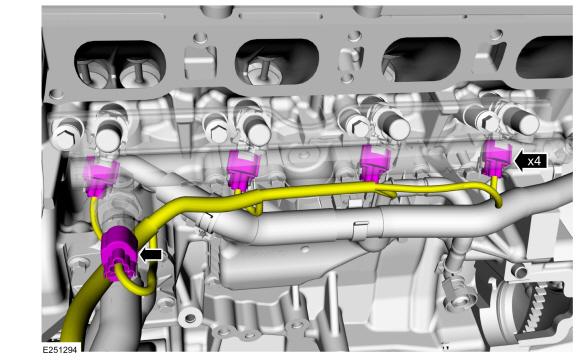
While public investment funds often focus on large-scale projects, even niche industries benefit. Take the **fuel rail system** in vehicles—a critical but often overlooked component. If your city’s public investment fund includes **workforce training programs**, mechanics might receive subsidized certifications to repair or replace fuel rails (like the one shown below), ensuring local auto shops stay competitive.
This kind of investment isn’t just about jobs—it’s about **keeping industries alive**. For residents, it means reliable local services, while for investors, it signals a stable economy. The lesson? Public funds aren’t just for big projects—they can also nurture the small but essential parts of your community.
---
### **Common Pitfalls: How to Avoid Wasting Time (or Money) on Public Investment Funds**
Public funds can feel like a maze, and missteps are easy. Here’s how to steer clear of the most costly mistakes:
- **Assuming all funds are open to the public**: Some are reserved for government contractors or large nonprofits. Always check eligibility criteria.
- **Overlooking deadlines**: Funds often have strict application windows. Set calendar reminders for key dates.
- **Underestimating paperwork**: Even small grants require detailed proposals. Start drafting yours early—some funds reject applications for incomplete information.
- **Ignoring local champions**: A single advocate (like a city council member or nonprofit leader) can fast-track your project. Identify them early.
*Actionable takeaway*: Before applying, ask: *"Does this fund align with my project’s goals, or am I chasing a pipe dream?"* If the answer isn’t clear, consult a local economic development office.
---
### **The Bottom Line: Public Investment Funds as Your Community’s Toolkit**
Public investment funds aren’t just abstract financial tools—they’re **tools you can use**. Whether you’re a homeowner pushing for better sidewalks, a business owner scaling up, or a resident advocating for green spaces, these funds provide the resources to make it happen. The secret? **Knowledge and persistence**. Start small, build relationships, and don’t hesitate to ask questions. Your community’s future depends on it.
This kind of investment isn’t just about jobs—it’s about **keeping industries alive**. For residents, it means reliable local services, while for investors, it signals a stable economy. The lesson? Public funds aren’t just for big projects—they can also nurture the small but essential parts of your community.
---
### **Common Pitfalls: How to Avoid Wasting Time (or Money) on Public Investment Funds**
Public funds can feel like a maze, and missteps are easy. Here’s how to steer clear of the most costly mistakes:
- **Assuming all funds are open to the public**: Some are reserved for government contractors or large nonprofits. Always check eligibility criteria.
- **Overlooking deadlines**: Funds often have strict application windows. Set calendar reminders for key dates.
- **Underestimating paperwork**: Even small grants require detailed proposals. Start drafting yours early—some funds reject applications for incomplete information.
- **Ignoring local champions**: A single advocate (like a city council member or nonprofit leader) can fast-track your project. Identify them early.
*Actionable takeaway*: Before applying, ask: *"Does this fund align with my project’s goals, or am I chasing a pipe dream?"* If the answer isn’t clear, consult a local economic development office.
---
### **The Bottom Line: Public Investment Funds as Your Community’s Toolkit**
Public investment funds aren’t just abstract financial tools—they’re **tools you can use**. Whether you’re a homeowner pushing for better sidewalks, a business owner scaling up, or a resident advocating for green spaces, these funds provide the resources to make it happen. The secret? **Knowledge and persistence**. Start small, build relationships, and don’t hesitate to ask questions. Your community’s future depends on it.