What Is Intergroup Contact and How It Builds Everyday Harmony
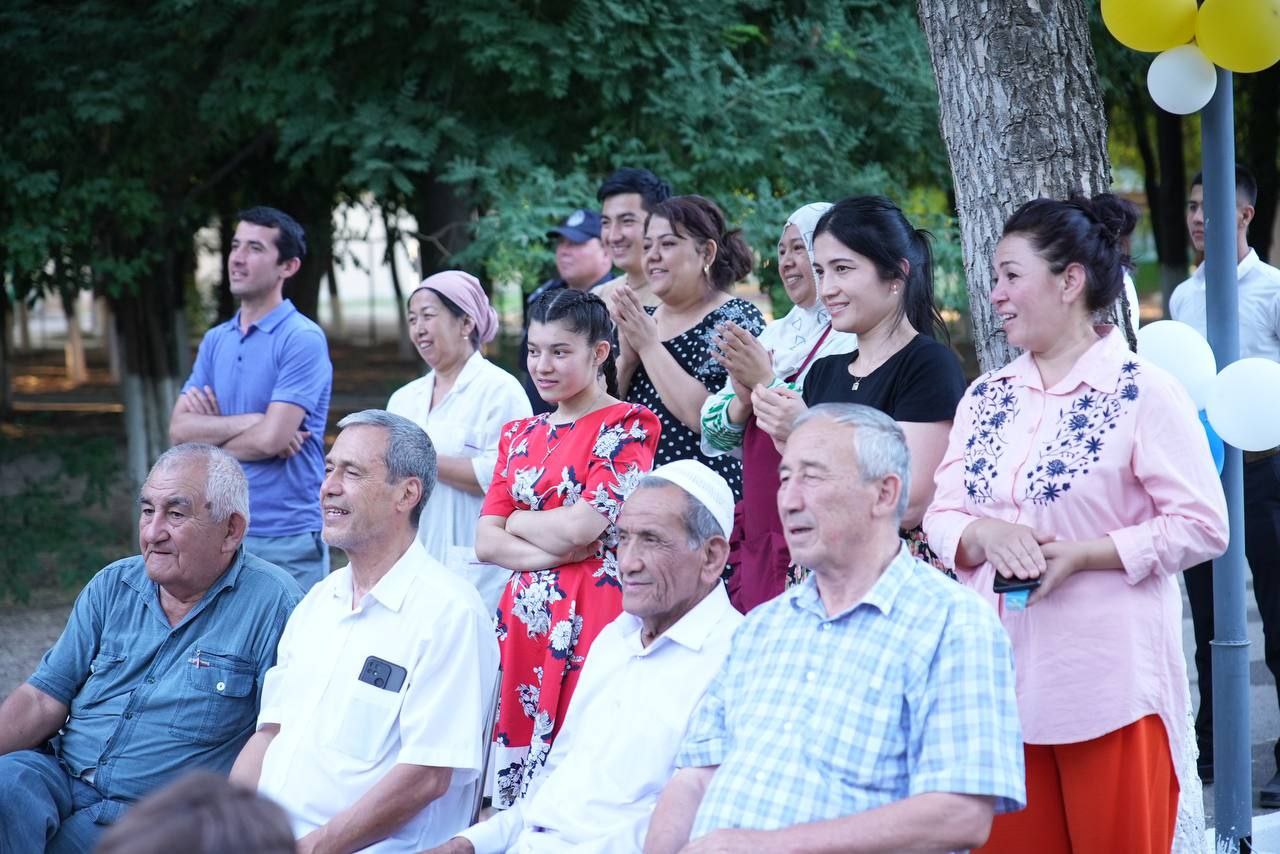
Imagine a summer camp where children from different neighborhoods, backgrounds, and even languages share tents, meals, and games under the same sky. That’s exactly what’s happening in the photo from a 22nd summer camp in Uzbekistan, where kids are spending their vacation together. This kind of everyday mixing—where people from different groups interact naturally—is called intergroup contact. It’s not a theory taught in classrooms; it’s the quiet force that shapes how we see each other when we simply share space, time, and goals.
Why Shared Spaces Break Down Walls Before Words Do
At first glance, a summer camp might look like any other place where kids run around and laugh. But look closer: the child who speaks Uzbek at home is now learning a few Russian phrases to join a game of tag. The quiet one from the city is teaching a rural kid how to set up a tent. These small, unscripted moments chip away at the idea that “they” are different from “us.” Shared spaces like camps, libraries, or even local markets create low-pressure zones where stereotypes meet reality—and often crumble.
How Everyday Routines Turn Strangers Into Allies
Think about your local grocery store. You might chat with the cashier about the weather or the price of tomatoes. Now imagine that cashier is from a community you’ve only heard about in passing. A simple “how’s your day going?” can soften assumptions faster than a news headline. Routine interactions—helping someone carry groceries, asking for directions, or joining a neighborhood cleanup—build a habit of seeing people as individuals first. Over time, these tiny exchanges replace vague fears with familiar faces.
Three Signs Your Daily Routine Is Building Bridges
- You notice differences without judging them: You might learn that a coworker celebrates a holiday you’ve never heard of, and instead of dismissing it, you ask for a recipe.
- You start correcting others’ assumptions: When someone makes a broad comment about “those people,” you feel comfortable saying, “Actually, my neighbor from that background runs the best bakery in town.”
- You invite someone new into your routine: You ask a classmate from another district to study with you at the park, blending your worlds effortlessly.
When Conflict Arises, Contact Is the First Tool—Not the Last Resort
Arguments at work or in the community often start with a misunderstanding that grows in silence. But when people from different groups actually sit down to solve a problem together—like organizing a block party or fixing a broken streetlight—the conflict shifts from “us vs. them” to “how do we fix this?” Real-life examples show that communities with active mixing programs report fewer disputes over shared resources. The key isn’t waiting for a crisis; it’s weaving contact into the fabric of daily life so it’s there when tensions rise.
Small Steps That Turn Your Street Into a Mixing Bowl
You don’t need to organize a city-wide festival to make a difference. Start with what’s already around you. Invite a coworker from another department to lunch. Join a local sports team or book club that draws people from different neighborhoods. If you’re a parent, encourage your child’s school to host a “culture day” where families share traditional foods and stories. Even something as simple as swapping a few words with the new neighbor can ripple outward, creating a web of connections that strengthens the whole community.
Intergroup contact isn’t a magic solution—it’s a practice. Like learning a language or playing an instrument, it takes repetition, patience, and a willingness to stumble. But unlike grand gestures, it thrives in the ordinary moments: a shared bench at the park, a potluck in the apartment building, or a summer camp where laughter bridges every language gap. The photo of those children playing together isn’t just a snapshot of a camp; it’s a reminder that harmony isn’t built in boardrooms or headlines. It’s built in the quiet, everyday choices to reach out, sit down, and share the space.